Bali Airport Arrival Guide: Immigration, Visa on Arrival and What to Expect
Everything you need before you land at Ngurah Rai: visa on arrival, immigration queues, baggage rules, SIM cards, money and getting into Bali without the stress.
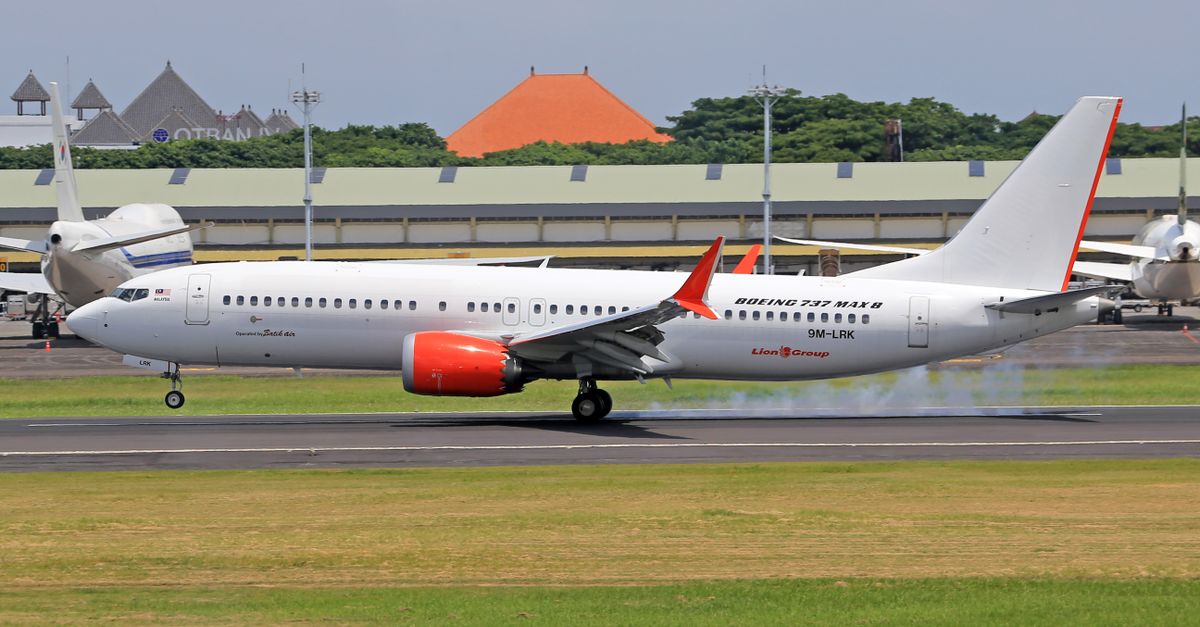
Touching down at Ngurah Rai International Airport is the moment Bali becomes real. The flight is done, the humidity hits you the second the cabin door opens, and suddenly you are standing in one of South-East Asia’s busiest holiday gateways with a bag, a boarding-pass stub, and a queue of fellow travellers stretching ahead of you. Knowing exactly what happens between the aircraft door and the taxi rank makes the difference between breezing through in forty minutes and spending two sweaty hours wondering why nobody told you to have exact change ready.
This guide walks you through every stage of the arrival process at Ngurah Rai (from landing and immigration to baggage claim and onward transport) with current 2025–2026 pricing, practical tips, and none of the waffle.
Landing at Ngurah Rai: What the Airport Looks Like and How It Is Laid Out
Ngurah Rai International Airport (airport code DPS) sits on the southern tip of the Bali peninsula, wedged between Kuta and Jimbaran. The international terminal is a single large building that opened in its current form in September 2013 after a major expansion. It is not enormous by global standards, which is both a blessing and a curse: the layout is straightforward to navigate, but during peak hours (July, August, and the Christmas–New Year window) it becomes genuinely congested.
When you deplane, you walk (or are bussed from a remote stand) into a wide arrivals corridor lined with duty-free advertising and CCTV cameras. Signage is clear and bilingual in Indonesian and English. Follow the green “Arrival” banners towards immigration. If you need to use the facilities before joining the queue, do it now. The toilets inside the immigration hall are limited and the queues can be long.
The immigration hall itself is a large open room divided into lanes: Indonesian passport holders to the left, foreign nationals to the right, and a dedicated e-gate lane that handles holders of the Electronic Visa on Arrival (e-VoA) and certain enrolled nationalities. Most international visitors from the UK, Europe, Australia, and the United States will join the foreign nationals lane or, increasingly, the Visa on Arrival (VoA) payment queue first, or apply for the e-VoA online before travel to use the faster e-gates.
Visa on Arrival for Bali: Eligibility, Cost, and the Exact Process in 2025–2026
Indonesia operates a Visa on Arrival scheme that covers citizens of over 90 countries, including the United Kingdom, Australia, the United States, Canada, most EU member states, and a significant number of others. If you hold a British passport, you are eligible.
Cost: The Visa on Arrival fee is IDR 500,000 per person (approximately £24–£26 at mid-2025 exchange rates, depending on the day). There are no age exemptions: every traveller, including infants and children, must pay the full fee and hold their own individual visa. The visa grants a single-entry stay of 30 days and can be extended once at a local immigration office for a further 30 days, bringing the maximum to 60 days. If you plan to stay longer, you will need to arrange a different visa category (the C6 Social/Cultural visa, formerly the B211A, for instance) before you travel.
Electronic Visa on Arrival (e-VoA): You can also apply for the e-VoA online before departure via Indonesia’s official immigration website (imigrasi.go.id). The fee is the same (IDR 500,000) but applying in advance means you can use the e-gates on arrival and bypass the VoA payment queue entirely. Allow at least three working days before you fly.
Payment options at the airport VoA counter: The counter accepts Visa, Mastercard, and American Express credit and debit cards as well as cash in IDR, USD, and a handful of other major currencies. Paying by card is the easiest option and sidesteps the need to have Indonesian rupiah before you land. If you intend to pay in cash and you have not already exchanged money, bring USD. It is widely accepted at the counter at a rate that, whilst not brilliant, is acceptable for a small transaction.
The process step by step:
- Follow signs for “Visa on Arrival” before you reach the main immigration desks.
- Complete the electronic customs and immigration declaration at the e-kiosk stations in the arrivals corridor (look for the blue touchscreen units). You will receive a QR code on your phone or a printed slip.
- Join the VoA payment queue. Have your passport open at the photo page and your return or onward ticket visible on your phone.
- Pay the IDR 500,000 fee. The officer stamps and stickers your passport.
- Proceed to the main immigration desks, present your stamped passport and QR code, have your fingerprints and photograph taken, and you are through. On a typical mid-week day outside peak season, the entire VoA-to-immigration process takes 20–40 minutes. During August or the Christmas fortnight, allow 60–90 minutes. Travel insurance is strongly recommended before you board: SafetyWing offers flexible monthly cover well-suited to both short holidays and extended digital-nomad stays, and it costs considerably less than a single night in a Bali hospital.
Baggage Claim and Customs: What to Declare and What Not to Bring
Once you clear immigration, the baggage reclaim hall is directly ahead. Screens above each carousel display flight numbers and belt assignments. The carousels at Ngurah Rai are functional rather than fast: allow 20–30 minutes for bags to appear after a wide-body long-haul flight. Use the time to locate a trolley (they are free and plentiful near the carousel entrances) and check the customs declaration rules.
Indonesian customs rules you must know:
- Currency: Declare cash exceeding the equivalent of IDR 100 million (roughly £4,900). There is no restriction on bringing foreign currency in, but large sums must be declared.
- Alcohol: 1 litre of spirits or wine per adult, duty-free. Anything above this is subject to confiscation. Import duty cannot be paid to retain the excess.
- Tobacco: 200 cigarettes, 25 cigars, or 100 grams of tobacco per adult.
- Drones: Drones must be declared. Customs officers at DPS have become noticeably stricter since 2023; failure to declare can result in confiscation. Register your drone with Indonesia’s DGCA before travel if you plan to fly it.
- Medications: Bring a doctor’s letter for prescription drugs, particularly any controlled substances. Indonesian regulations around medications are strict and penalties are severe.
- Food: Fresh fruit, vegetables, meat, and dairy products are subject to biosecurity checks. Declare anything in this category. After collecting your bag, you pass through either the green channel (nothing to declare) or the red channel. Spot checks are common. Officers are professional but thorough, particularly with larger suitcases and with travellers arriving from destinations in South-East Asia where drug trafficking is a concern. Indonesia’s laws on narcotics are among the strictest in the world: this is not a country where ignorance is accepted as a defence.
Getting from the Airport into Bali: Taxis, Apps, and Private Transfers
Stepping out of the arrivals hall, you will immediately be approached by unofficial taxi drivers offering rides. Decline politely and firmly. Ngurah Rai has a well-organised official taxi system and a ride-hailing zone, and using unofficial drivers is both more expensive and less safe.
Official airport taxis (fixed-rate counter): Immediately outside the arrivals exit on the ground floor is the official airport taxi desk, which operates fixed-rate metered cabs. State your destination, receive a printed quote, and pay the quoted fare. Sample fares from the airport in 2025–2026: Kuta (5–10 minutes) IDR 70,000–100,000; Seminyak (15–20 minutes) IDR 100,000–150,000; Ubud (1.5 hours) IDR 350,000–450,000; Uluwatu (45 minutes) IDR 200,000–280,000. Note that Bluebird (Bali’s most reputable taxi company) is not permitted to pick up from the arrivals zone due to the airport taxi concession. To use a Bluebird specifically, book via the MyBluebird app and arrange to be met at the departures-level drop-off, where Bluebird cars are available after setting down departing passengers.
Ride-hailing apps (Grab and Gojek): These are significantly cheaper than metered taxis for most journeys. Grab now operates an official air-conditioned lounge inside the terminal. Look for it as you exit the arrivals hall towards the car park. Gojek drivers must be met at the designated “Online Taxi” pick-up zone, a 3–5 minute walk from the terminal. Grab and Gojek prices to Seminyak typically run IDR 80,000–120,000. Download both apps before you land and top them up using wise to avoid international card fees when loading credit.
Pre-arranged private transfers: If you are arriving late at night, travelling with young children, or simply want zero hassle, a pre-booked private car is worth the premium. You will be met by a driver holding a board with your name. Reputable services can be booked through platforms like viator-bali or directly through your accommodation. Expect to pay IDR 250,000–400,000 to Seminyak and IDR 500,000–650,000 to Ubud for a private air-conditioned car.
Shuttle buses: For the budget-conscious, Perama Tours and similar operators run shared shuttle buses from the airport to major destinations including Kuta, Legian, Seminyak, Ubud, and Lovina. These are slower (the bus fills up before departing) but cost IDR 50,000–150,000 depending on destination.
Money, SIM Cards, and the First 30 Minutes After Customs
The arrivals hall contains several facilities you will want to locate quickly.
Currency exchange: There are official money changers inside the terminal operated by Bank BNI and Bank Mandiri. Their rates are transparent and safe. Avoid the independent exchange kiosks that cluster immediately outside the arrivals exit. They offer headline rates that look attractive but apply hidden fees or short-change through sleight of hand. The bank counters inside arrivals are your safest option for an initial exchange. For ongoing currency needs throughout your trip, withdrawing IDR from an ATM (Bank BRI and Bank Mandiri machines are widely available) or using a Wise multi-currency card (wise) gives you much better rates than street exchange shops.
SIM cards: Three major Indonesian carriers sell tourist SIM cards at the airport: Telkomsel (most reliable coverage island-wide), XL Axiata, and Indosat Ooredoo. Airport prices are typically higher than in town, so you are paying for convenience. A Telkomsel tourist SIM at the airport costs around IDR 150,000–250,000, with data packages of roughly 20–30GB over 30 days depending on the package chosen at the time of purchase. Registration requires your passport. Get a SIM before you leave the terminal. You will want maps and Grab working the moment you step outside.
Left luggage: A staffed left-luggage facility operates in the departures building (you need to walk through to the check-in side). It is useful if you are arriving before your accommodation check-in time and want to explore Kuta or Seminyak bag-free.
Wi-Fi: Free airport Wi-Fi is available throughout the terminal. Connect to “DPS Free WiFi” and register with an email address. It is adequate for messaging and maps, though speeds are inconsistent during peak hours.
FAQs
Do British citizens need a visa to enter Bali?
Yes. British passport holders must purchase a Visa on Arrival (IDR 500,000, approximately £24–£26) on arrival at Ngurah Rai Airport, or apply for the Electronic Visa on Arrival (e-VoA) online before departure via imigrasi.go.id. Both options grant a 30-day single-entry stay, extendable once for another 30 days at a local immigration office. Applying online for the e-VoA in advance allows you to use the faster e-gates and skip the VoA payment queue.
Can I pay for the Visa on Arrival by card?
Yes. The VoA counter accepts Visa, Mastercard, and Amex credit and debit cards. You can also pay in cash using IDR, USD, or several other major currencies. Card payment is the most convenient option if you have not yet exchanged money.
How long does immigration take at Bali Airport?
On a typical day outside peak season, expect 30–50 minutes from landing to collecting your bag. During peak periods (July, August, and Christmas–New Year) allow 60–90 minutes. Holders of the e-VoA applied for online before travel can use the e-gates and typically clear immigration in under 15 minutes. Completing the e-customs declaration on the digital kiosks in the arrivals corridor before reaching the VoA counter also speeds things up. Here’s what the All Indonesia app is and how to fill it in before you land.
Is the Visa on Arrival extendable, and where do I do it?
Yes, the VoA can be extended once for a further 30 days, giving a total stay of 60 days. Extensions are processed at the nearest Immigration Office (Kantor Imigrasi). The main office for south Bali is in Denpasar on Jalan Raya Puputan. The fee for an extension is currently IDR 500,000. Apply before your original stamp expires.
What is the best way to get from Bali Airport to Ubud?
A pre-booked private transfer is the most comfortable option and typically costs IDR 500,000–650,000 (around £24–£31) for a private air-conditioned car. The journey takes 1.5–2 hours depending on traffic. Grab and Gojek also operate the route but availability of drivers willing to go to Ubud can be patchy. Shared shuttle buses (Perama Tours) are cheapest at around IDR 100,000–150,000 but the slower option.
Are unofficial taxi drivers at the airport safe to use?
It is best to avoid them. Unofficial drivers at Ngurah Rai are frequently known to overcharge significantly and, in some cases, take indirect routes. Use the official fixed-rate taxi counter inside arrivals, or use the Grab lounge inside the terminal or walk to the designated ride-hailing pick-up zone for Gojek. Both options are safe, transparent on price, and tracked digitally.
Do I need travel insurance for Bali?
Whilst it is not a legal requirement, it is strongly advisable. Medical care in Bali (particularly for serious conditions or evacuation) is expensive. A straightforward motorbike accident can generate bills in excess of IDR 20,000,000 (roughly £980). SafetyWing offers flexible monthly cover that works well for both holidaymakers and longer-stay digital nomads.
Can I bring a drone into Bali?
Yes, but you must declare it at customs. Since 2023, customs officers at Ngurah Rai have been more vigilant about undeclared drones. You should also register with Indonesia’s Directorate General of Civil Aviation (DGCA) before flying it. Certain areas of Bali (near temples, around the airport, and in protected natural areas) are no-fly zones.
Is there a tourist tax when arriving in Bali?
Yes. Indonesia introduced a foreign tourist levy of IDR 150,000 (approximately £7–£8) for international visitors entering Bali, effective from February 2024. This is separate from the Visa on Arrival fee and applies to all visitors including children: there are no age exemptions. It can be paid online in advance via the Love Bali platform (lovebali.baliprov.go.id) or at kiosks in the airport. Paying online before you travel saves time in the arrivals hall.
What currency should I carry and where is the safest place to exchange money at the airport?
The Indonesian Rupiah (IDR) is the only currency accepted for most everyday transactions. At the airport, use the official bank-operated exchange counters (Bank BNI and Bank Mandiri) inside the arrivals hall. Avoid independent kiosks immediately outside the exits, as these frequently employ deceptive practices. For ongoing currency management during your trip, a Wise multi-currency card (wise) is one of the most cost-effective tools: you can hold IDR and convert at the mid-market rate with low fees.
Before you go: I wrote this in 2026 and double-checked every price, fee, opening time and rule I could, but Bali changes fast. Treat the figures here as a guide and confirm the latest details before you book or travel.
Some of the links in this article are affiliate links: if you book through them I may earn a small commission at no extra cost to you. I only ever recommend things I would happily send a friend to.
Visa, tax and entry rules change and everyone’s circumstances differ, so always confirm the current requirements with official Indonesian sources, or a qualified professional, before acting on anything here.
If you’re planning a longer stay, our guide to the best co-living spaces in Bali covers Canggu and Ubud options with real monthly costs, useful reading before you land.
Related reading
Before or after you land, a couple more Bali essentials worth a read: